Is Slack Encrypted? What You Need to Know in 2026
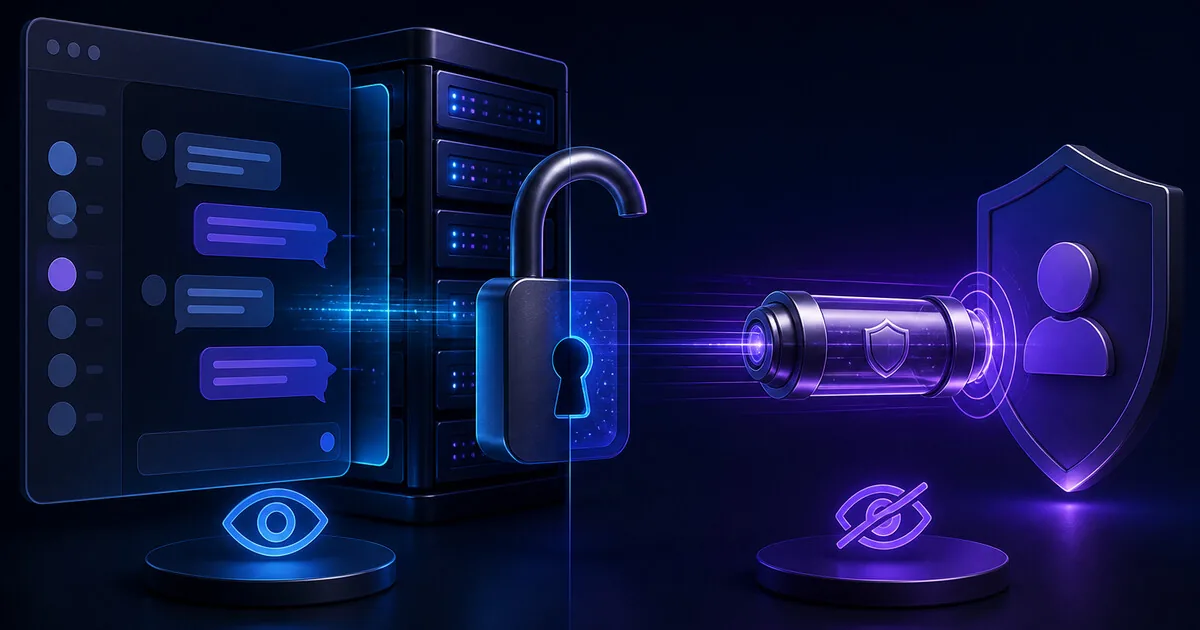
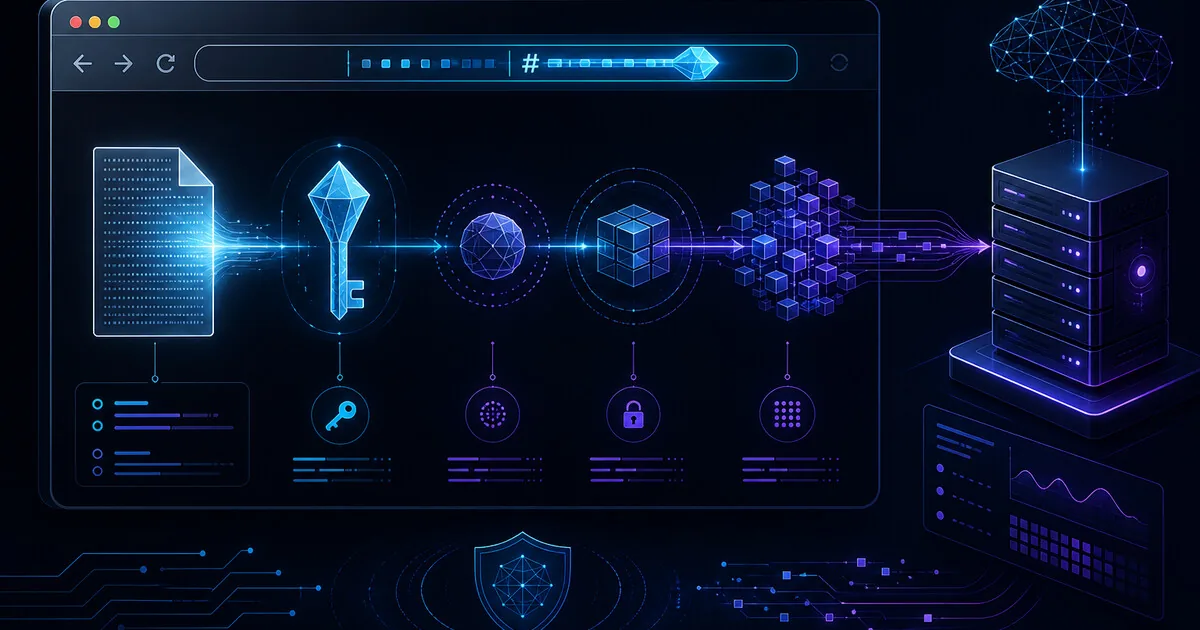
Slack uses TLS 1.2+ and FIPS 140-2 at-rest encryption, but is NOT end-to-end encrypted — including with EKM. Facts, architecture, and safer ways to share secrets.
Privacy-focused guides on secure messaging and data protection.
Featured articles
18 articles
Slack uses TLS 1.2+ and FIPS 140-2 at-rest encryption, but is NOT end-to-end encrypted — including with EKM. Facts, architecture, and safer ways to share secrets.

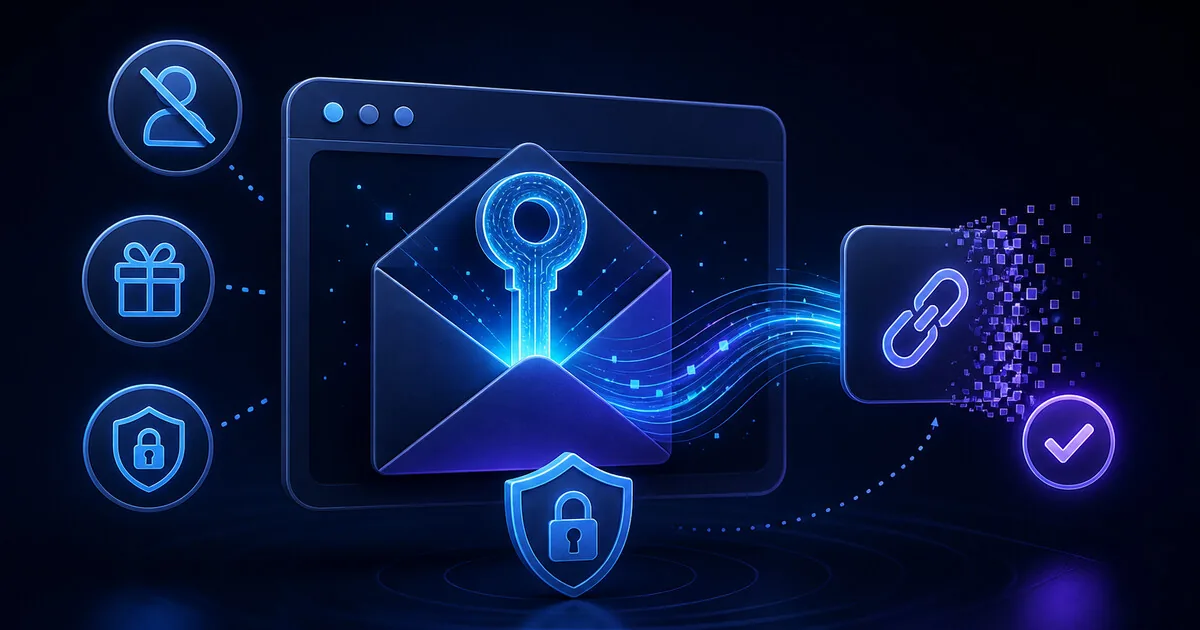
Never send passwords through email or Slack. Learn how to share passwords securely using one-time encrypted links that self-destruct after viewing.

Compare enterprise secure messaging — Wire MLS, Threema Work, AWS Wickr, Element, Mattermost, Slack, Teams — plus zero-knowledge credential sharing.

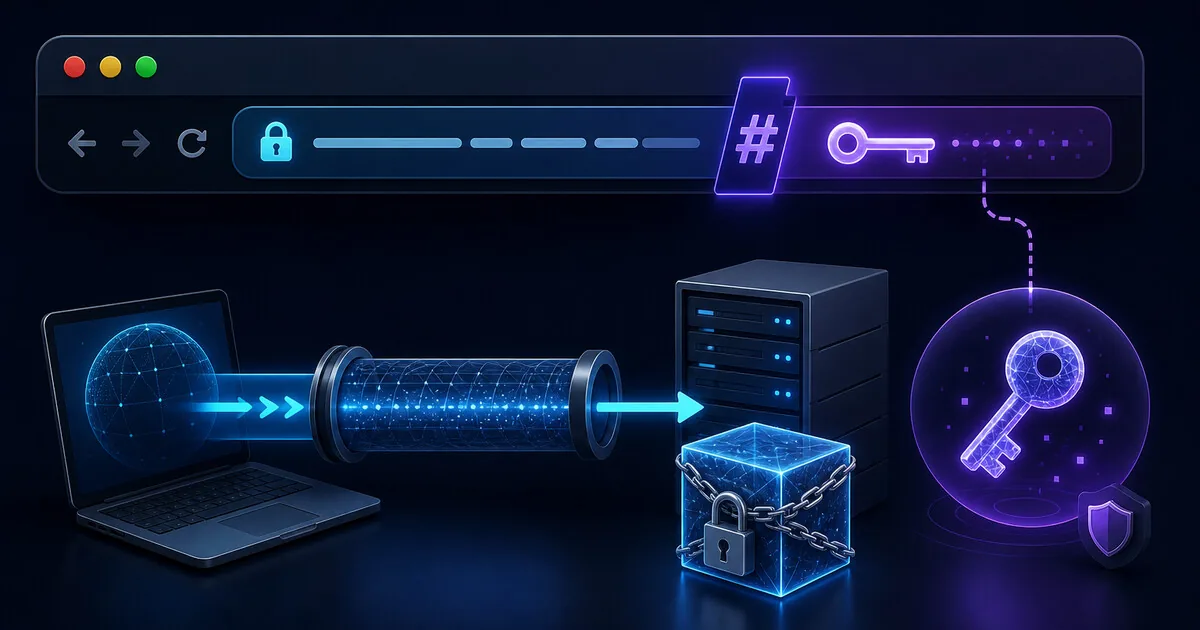
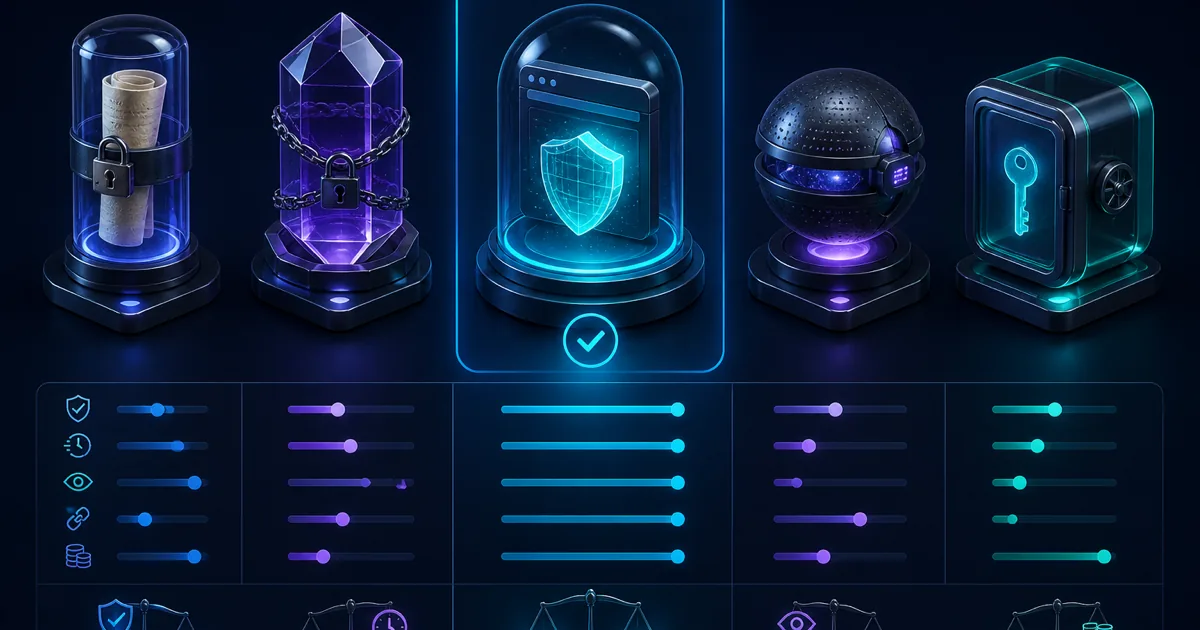
Zero-knowledge encryption means the provider stores ciphertext it cannot decrypt. How it differs from E2EE and zero-knowledge proofs, plus URL-fragment secret sharing.

Burn after reading destroys ciphertext after one view. How ZK self-destructing links work vs Snapchat-style UI disappearing and timer-only chats.

OneTimeSecret documents server-side encryption; VanishingVault uses client-side AES-256-GCM with a URL-fragment key. Compare trust models and self-hosting.

Compare Privnote and VanishingVault on encryption transparency, fragment keys, ads/phishing risk, and when consumer self-destruct notes are not enough.

Learn how a sophisticated NPM supply chain attack targeting crypto transactions was prevented through swift community response and enterprise security measures.

Send passwords via encrypted one-time links that self-destruct after viewing. AES-256-GCM in the browser, key in the URL fragment — no email trails or Slack history.

Share 2FA/MFA backup codes with a zero-knowledge burn-after-read link, then store them in a password manager and regenerate.

When one-time encrypted links beat chat for API key handoffs — and when HashiCorp Vault or cloud secrets managers still win for runtime secrets.

Learn how to share sensitive files securely without relying on traditional cloud storage providers. Explore zero-knowledge alternatives and privacy-first solutions.

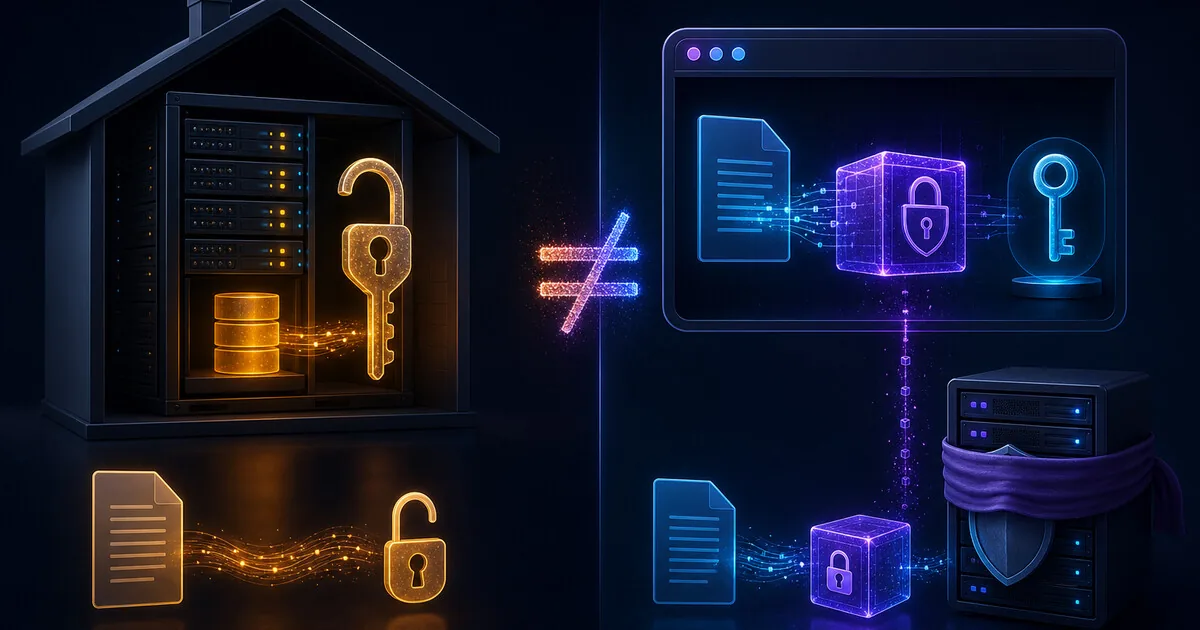
ZK vs E2EE vs encryption-at-rest: who holds the keys, what providers can read, subpoena nuance, and how URL-fragment secret sharing fits.

Technical deep dive: AES-256-GCM in the browser, URL-fragment keys (RFC 9110), Cloudflare Workers + KV, burn-after-read, threat model, and KV vs Durable Objects.

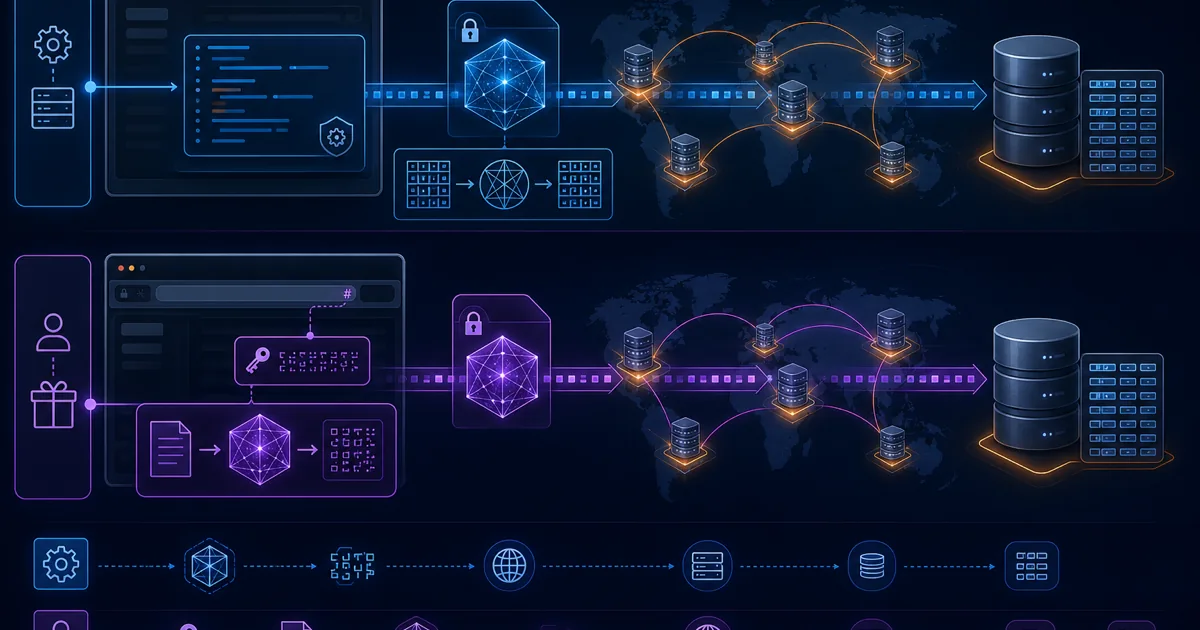
Compare top one-time secret tools for 2026 by encryption model: client-side zero-knowledge vs server-side. Bitwarden Send, scrt.link, OneTimeSecret, and more.

Hand API keys to AI agents without pasting into chats: one-time ZK links for handoffs, vaults/OIDC/env for runtime, honest bearer-URL limits.

Why client-side encryption and URL-fragment keys are the default for one-time secret sharing — plus honest limits (browser trust, bearer URLs).

Compare one-time secret sharing with traditional methods like email and messaging.
Our privacy-first tools help keep your sensitive information secure.